
Dewatering screen panels
Often used for wet screening and dewatering. Photograph the slot pattern, support side and fixing arrangement.
Review dewatering screen panel requirementsReplacement and selection
A replacement request can begin with an installed screen, clear photos, measurable dimensions, a drawing or an old sample. The product name does not need to be known before the initial review.
Starting reference
You do not need to confirm a part name before contacting us. Start with the current screening surface, deck arrangement, fixing points and operating conditions. A drawing or old sample is helpful but is not required for the initial quotation review.
Screen color alone does not identify the material, aperture, fixing arrangement or replacement compatibility.
This screen media replacement guide helps procurement teams assemble the available reference before a replacement quotation discussion.
If the family is still unclear, compare polyurethane screen media families before sending the available reference. This guide focuses on identifying a replacement, while the product pages explain each family in more detail.
Screen format
Use the visible construction and deck arrangement as a starting point. Final classification and compatibility are confirmed from the complete reference.
Often used for wet screening and dewatering. Photograph the slot pattern, support side and fixing arrangement.
Review dewatering screen panel requirementsSeparate replaceable modules. Record the module size, back interface and the deck rails or supports.
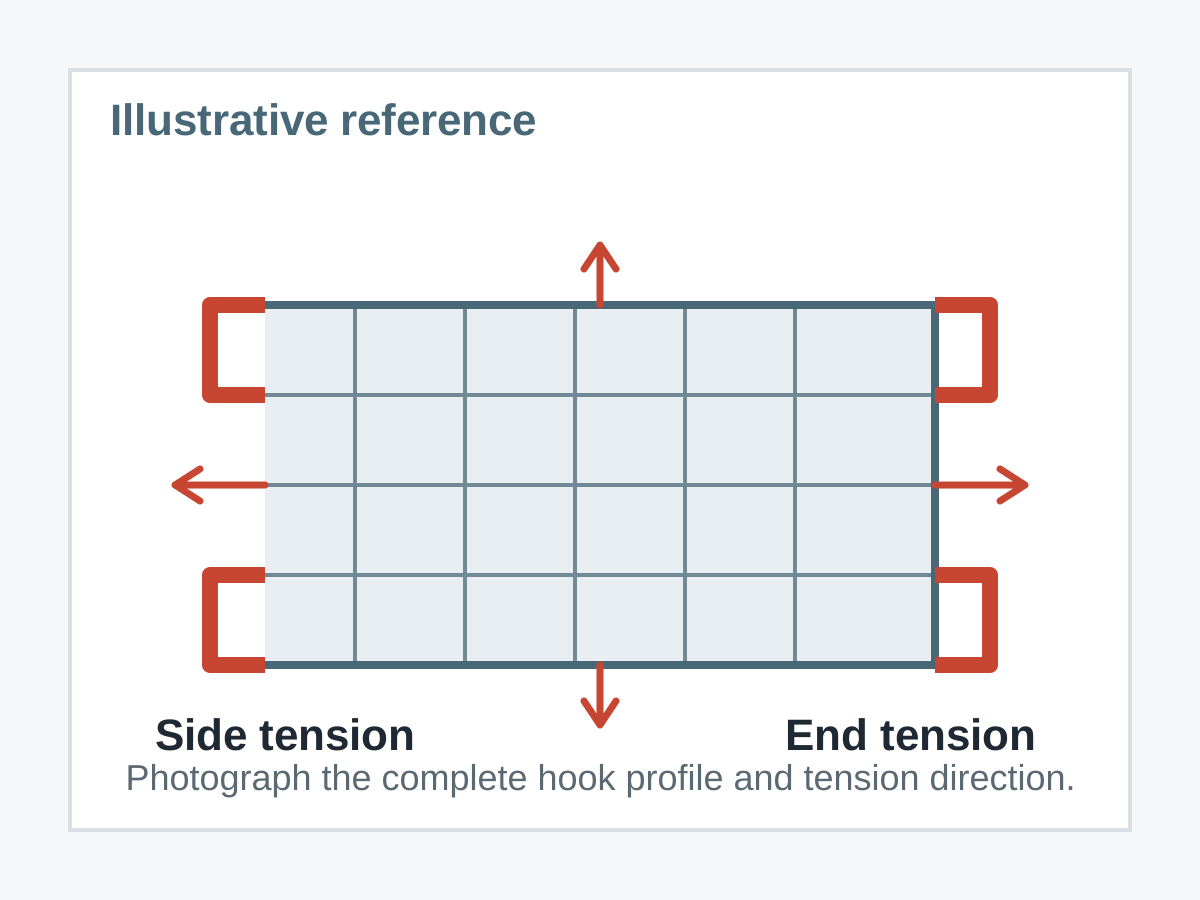
Review modular screen panel interface optionsA whole or large screen mat retained by tensioned edges. Photograph the side or end tension direction and hook profile.
Review tensioned screen and hook-edge details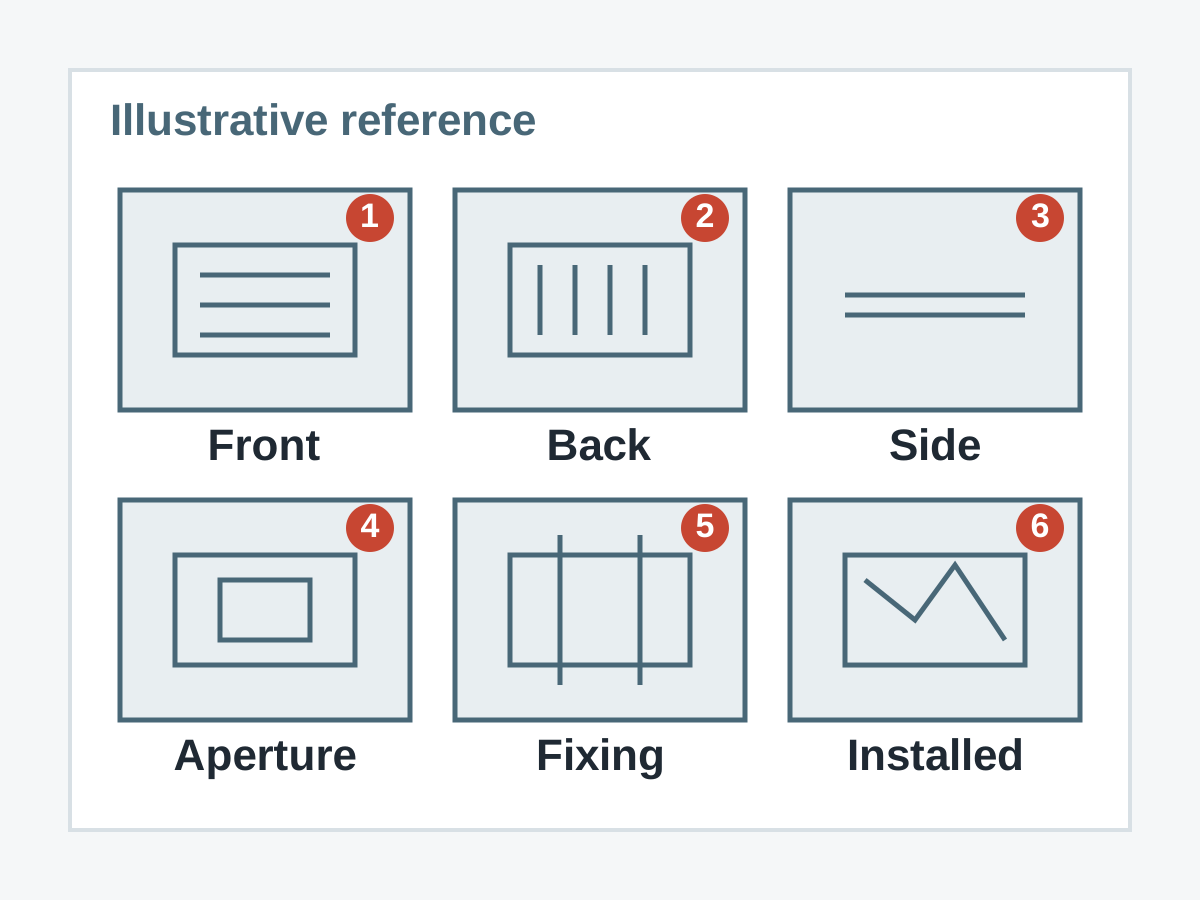
Photo checklist
Use even lighting and include a scale or ruler where practical.
Company names, asset IDs, customer references and other sensitive information may be masked before photos are sent.
Prepare a replacement review request
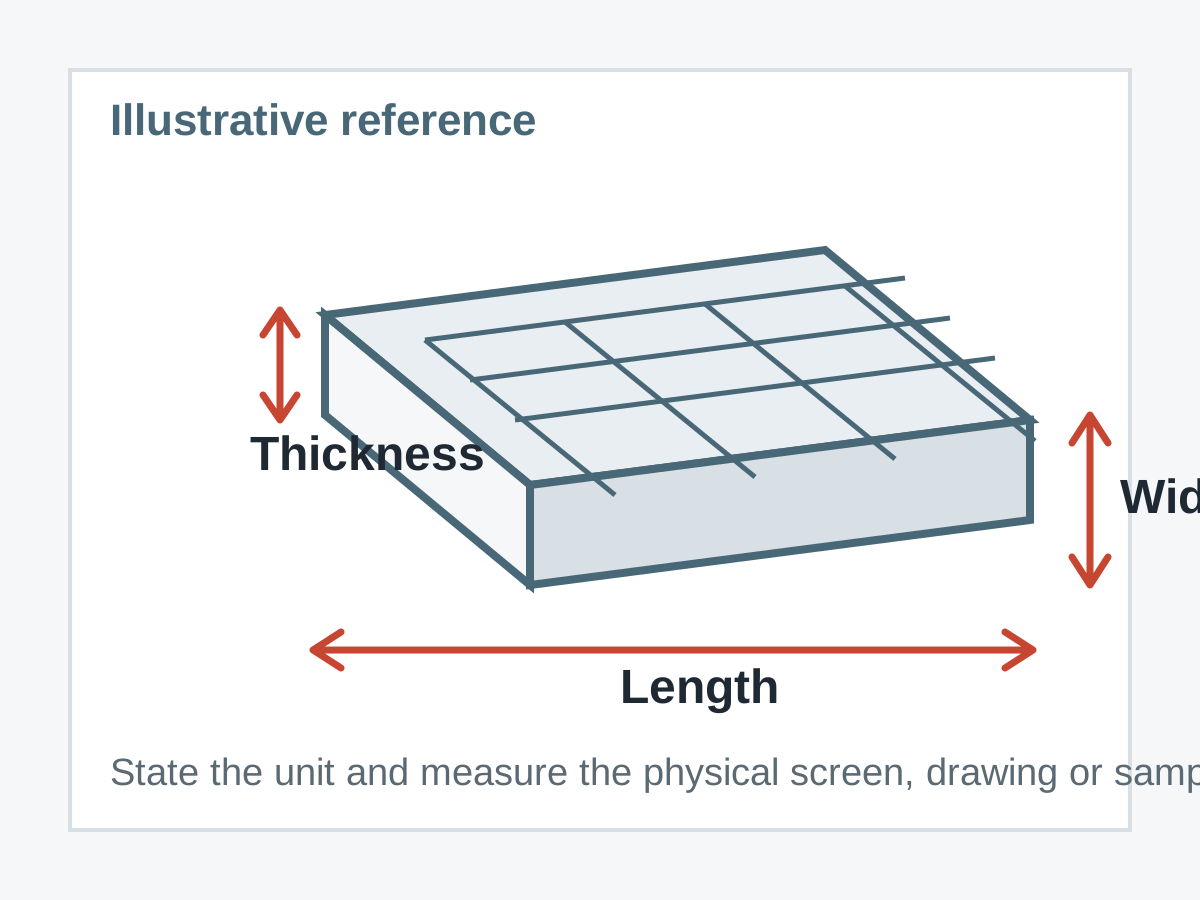
Measurements
Use millimetres or inches and state the unit for every value. Do not infer final dimensions from photo scale alone.
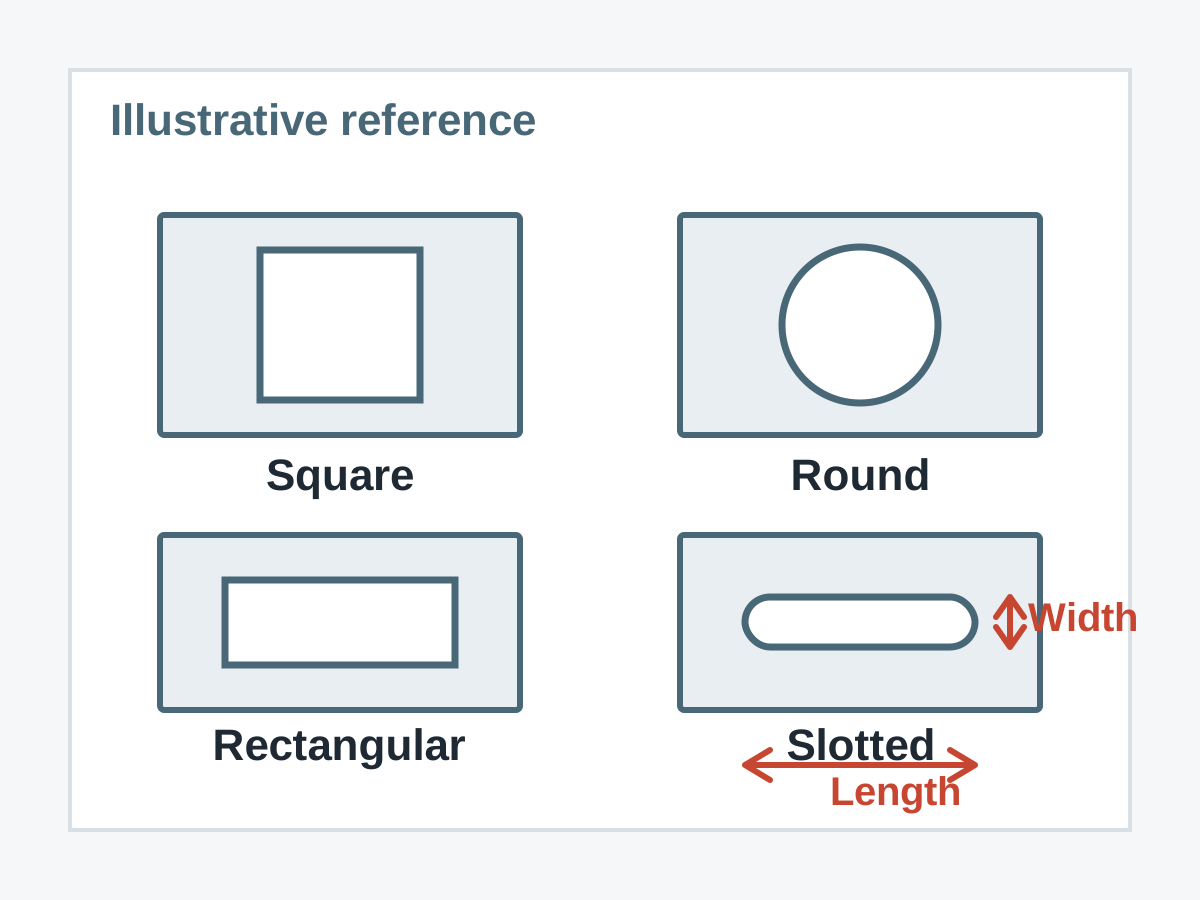
Aperture reference
Aperture choice depends on the duty and current result; there is no universal opening suitable for every screen.
Record the clear opening and layout direction.
Record the clear opening diameter.
Record width and length separately.
Record slot width x length and slot orientation.
Also record slot orientation relative to material flow and any blinding, pegging or unexpected fines loss. If the installed screening surface is flexible, document that construction before you review Flip-Flow panel requirements.
Fixing arrangement
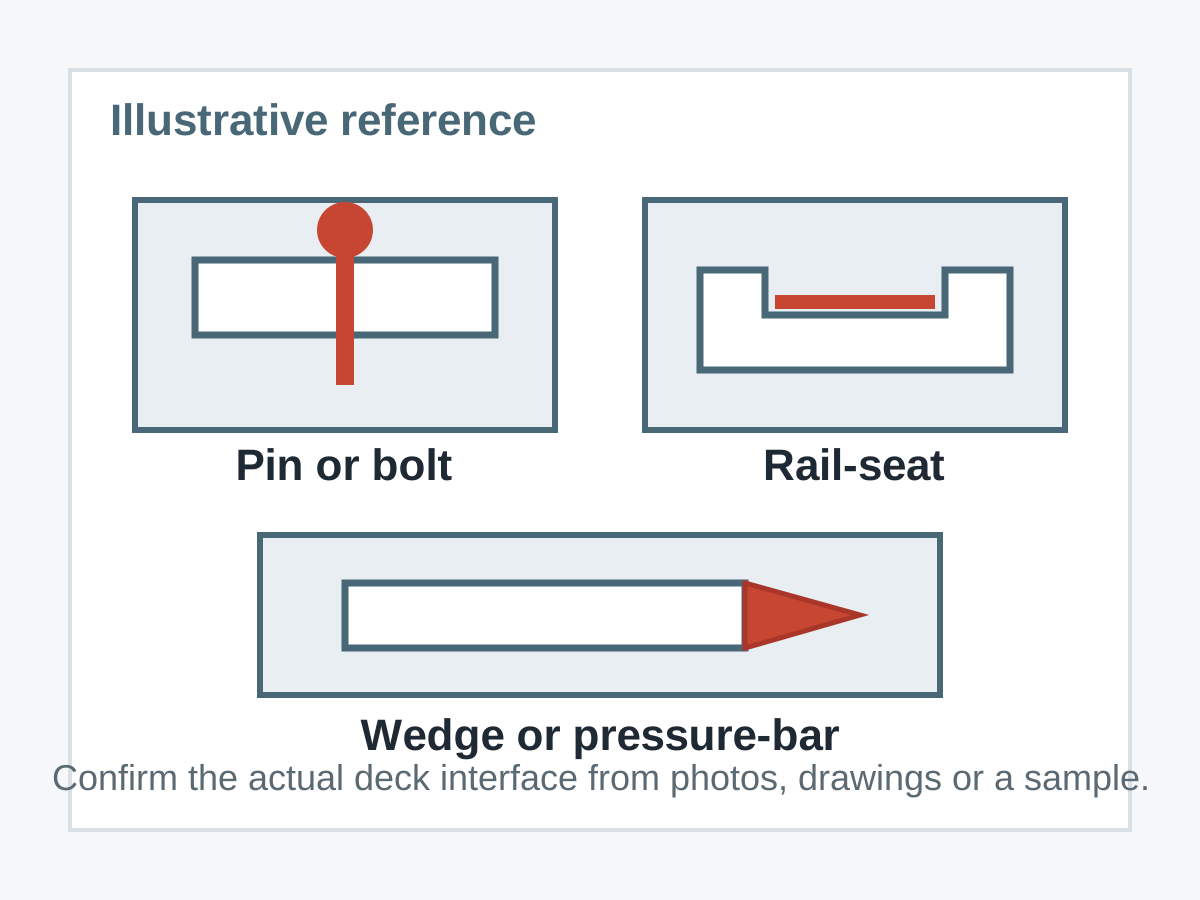
These are generic identification references, not compatibility claims. Final fit is confirmed against the old sample, drawing, clear photos and deck arrangement.
Operating details
Operating context helps separate fit questions from process or wear concerns.
Review aggregate screening application context or Sand Washing & Dewatering application context before confirming the available duty information.
Review process
This describes the quotation review sequence, not a manufacturing process.
After submission
The available reference is reviewed in sequence so the replacement discussion can distinguish visible evidence from details that may still need clarification.
Photos, dimensions, drawings and application details that are currently available for the replacement review.
Review the visible panel, deck, fixing and duty information supplied with the request.
Clarify the available measurement, aperture, fixing and operating details needed for the quotation basis.
Use the reviewed evidence to discuss the relevant screen media family and any information still required.
Prepare the next quotation discussion from the confirmed review scope without treating the initial reference as a final commitment.
See Supply & Quality Control for the replacement verification and supply review process that follows the confirmed review scope.
Review boundary
Photos and measurements can support an initial review, but they do not establish a guaranteed match or final commercial commitment.
Replacement questions
These answers explain how to prepare the available replacement reference without treating an initial review as a compatibility commitment.
Start with clear photos, overall dimensions, aperture details, fixing information and the available application context. Drawings or an old sample can also help when they are available.
Photos can support an initial review when they show the front, back, side profile, aperture and fixing details. They do not establish final fit by themselves.
A replacement request can begin with the installed screen, measurable dimensions and clear photos. Further clarification, a drawing or an old sample may be needed before the quotation basis is confirmed.
Pins, bolts, rails, wedges, pressure bars and hook edges affect how the screen is retained on the installed deck. Recording visible fixing details helps keep the review focused on the current arrangement.