
Flip-Flow polyurethane panels
Use this path for flexible panels where the current edge, support and installed-system evidence can be documented.
Review Flip-Flow panel evidencePOLYURETHANE SCREEN MEDIA
Flexible polyurethane Flip-Flow screen panels are reviewed where the panel form, aperture, retention edge, support and machine context can be documented from the current arrangement.
The product name does not confirm a replacement. Review the installed screen, dimensions, photographs, duty and any drawing or sample before quotation.
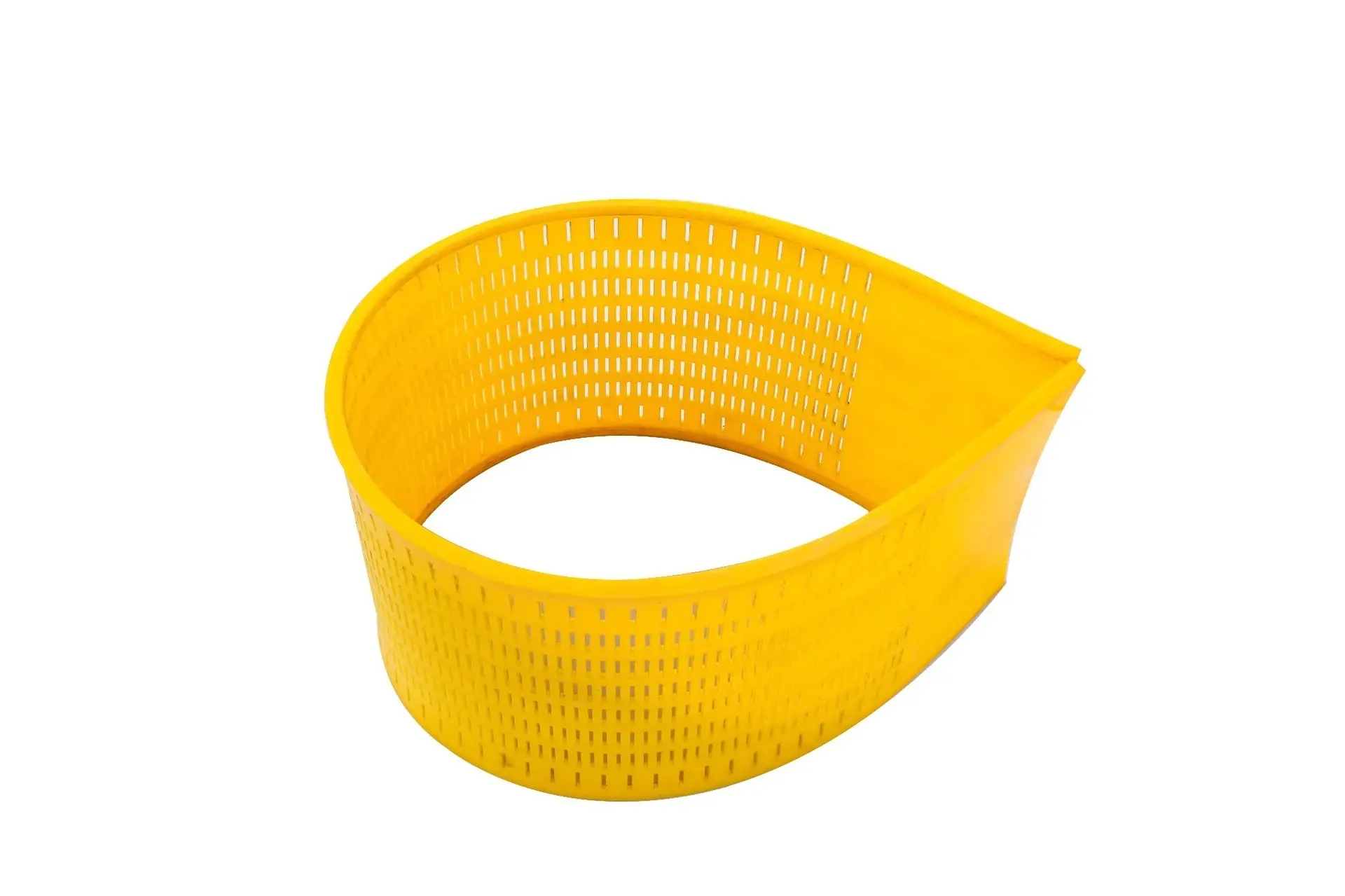
The frozen Hero flexed profile identifies the flexible form; it does not establish installed retention or compatibility.
Quick product attributes
Use current panel, retention and system evidence to avoid assuming a common fit.
Panel and retention review
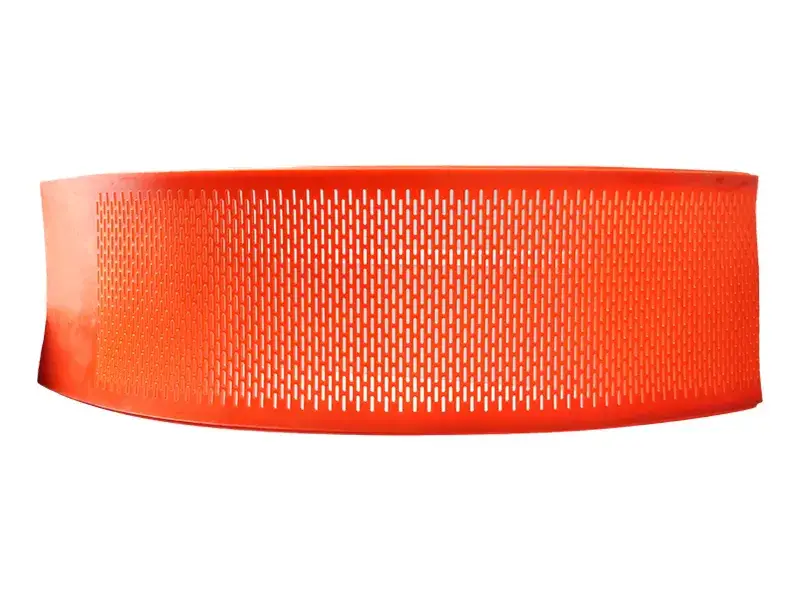
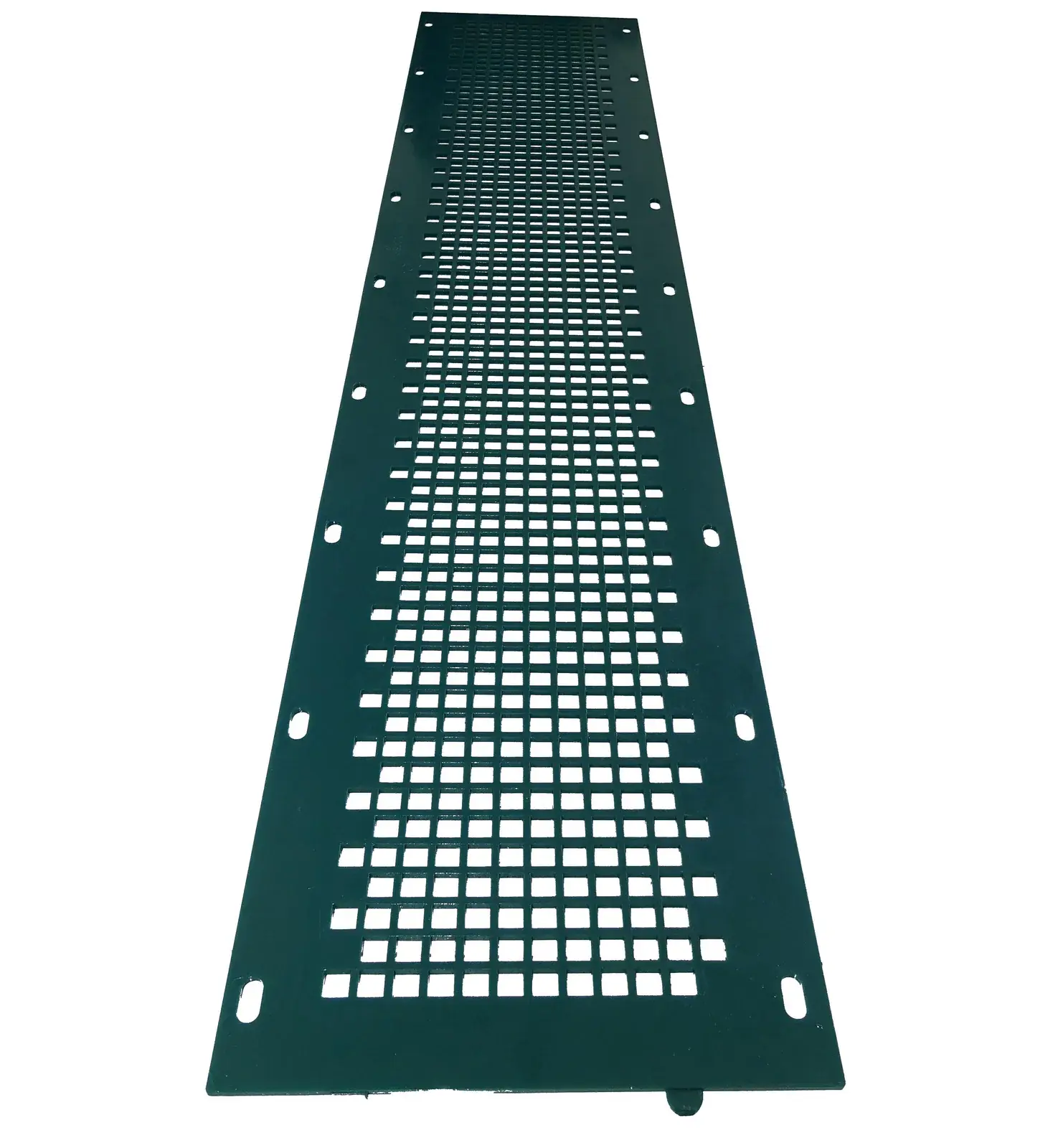
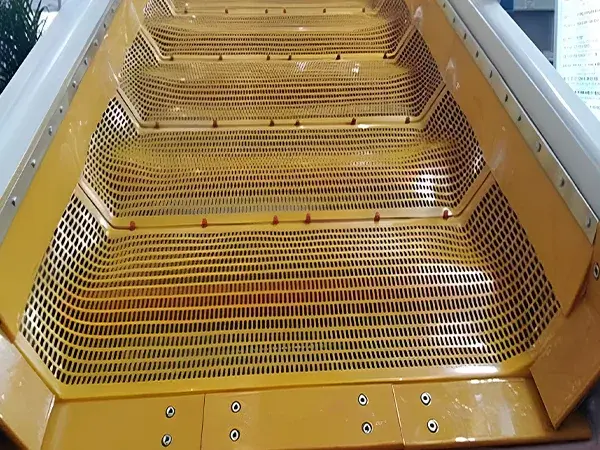
The panel face can show an aperture form, while the edge and installed-system views describe the evidence needed to review retention. Keep the complete outline, thickness, edge and support details together rather than selecting from one product photograph.
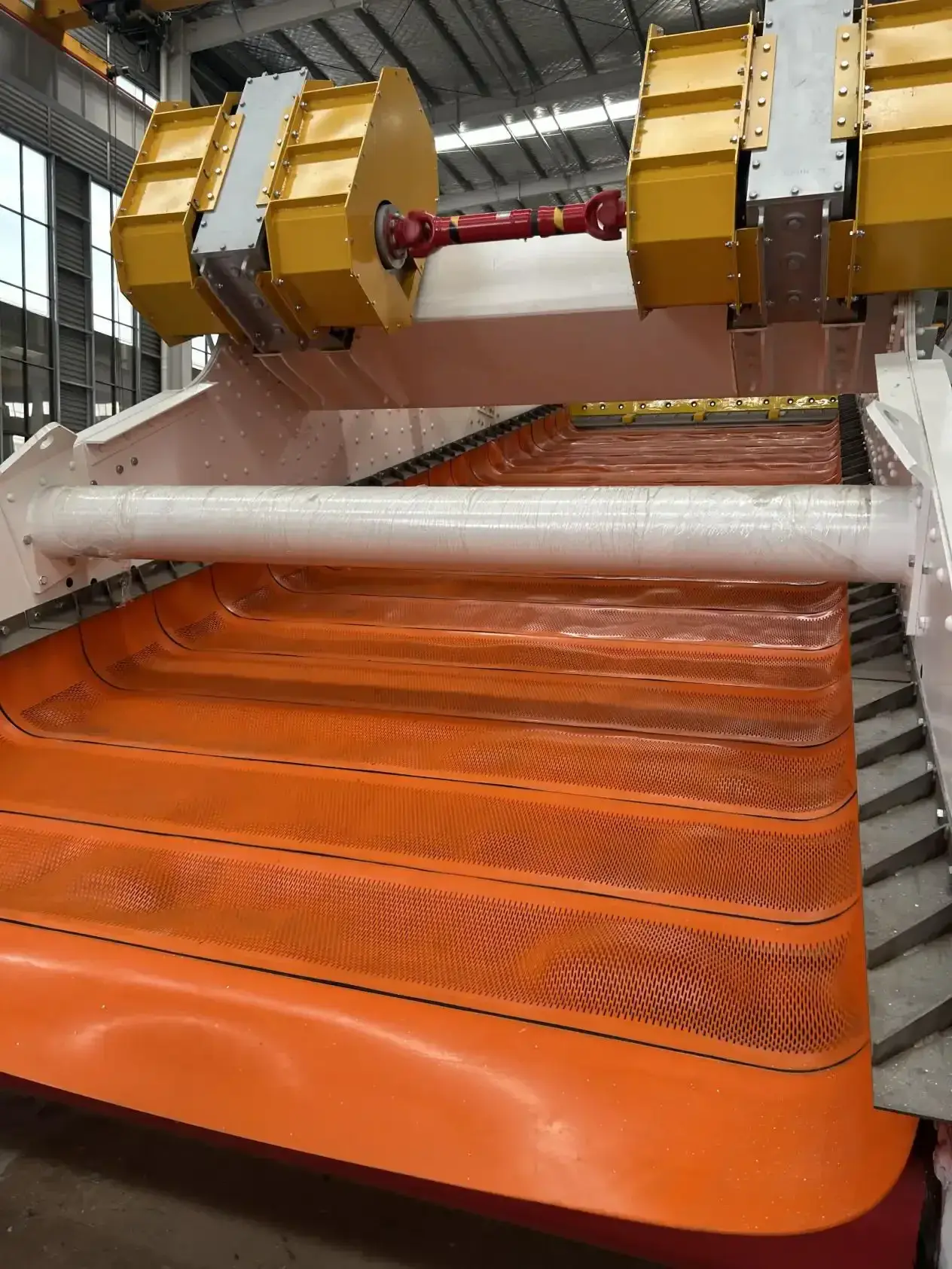
An installed system view is useful for machine and deck context. It is representative installation evidence only and is not presented as a project reference or a promise that the photographed arrangement fits another machine.
Photograph the panel on a flat surface for its outline, aperture and edge detail, then capture the same panel location in the installed system. A wider deck or machine view can show the position and visible supports, while a close edge view helps identify the retention arrangement that is not apparent from the panel face.
When an old panel is unavailable, a drawing or an earlier photo set can still help. Mark which evidence relates to the current position and which is only a reference so the review does not merge details from different arrangements.
Material, moisture, target separation and operating observations help frame the technical review. They do not establish a fixed panel dimension, aperture, hardness, formulation, performance result or universal deck compatibility.
Use a drawing or old sample whenever a visible panel edge does not fully explain the installed retention and support arrangement.
Describe the request in practical terms: where the panel sits, what material condition is being screened, the target separation and what can be observed from the current installation. This gives the review a defined operating context without converting an observation into a performance guarantee.
Keep quantity and destination with the same technical evidence. They belong to the quotation request but do not change the need to confirm panel geometry, retention details and the installed support arrangement.
Where several panel positions are involved, label each installed view and note whether the edge and support detail comes from the same position. This preserves a clear replacement reference when one image set contains panels with different observed conditions.
Replacement terminology
Flip Flow screen mats are one industry expression for flexible polyurethane screening media used in replacement applications. A product name alone does not establish a replacement match. Suitability depends on the existing panel dimensions, edge details, support structure and installation arrangement documented from the current screen.
Use the current panel and installed deck as the reference before quotation. The screen panel replacement guide helps organise the dimensions and photographs needed for that review.
Application context
Flexible polyurethane Flip Flow screen mats are commonly reviewed for wet materials, sticky materials, fine particles and other difficult screening conditions. They are designed for screening duties where the current flexible panel, retention arrangement and installed support can be confirmed before a replacement is quoted.
Review the wider duty through aggregate screening applications or wet screening and dewatering applications when those routes match the current process context.
Configuration review
Confirm the current arrangement from drawings, photographs, measurements or an old sample before technical review and quotation.
| Review field | Current-reference evidence |
|---|---|
| Material | Flexible polyurethane screen media; confirm the current material reference during technical review. |
| Panel form | Current flexible panel outline, form and installed position. |
| Aperture | Visible aperture shape and direction from the current panel evidence. |
| Thickness | Record the current panel thickness from a measured reference. |
| Edge profile | Visible edge, retention and support details from the installed arrangement. |
| Fixing system | Current deck interface, fixing points and support structure. |
| Machine information | Installed screen or deck context, together with available drawings or photographs. |
Representative evidence
These body views replace the former duplicate Hero display and make the current edge and deck evidence easier to review.
Replacement checklist
A single RFQ should tie the flexible panel, retention arrangement and operating context to the same current system.
Use this path for flexible panels where the current edge, support and installed-system evidence can be documented.
Review Flip-Flow panel evidenceUse this path for separate replaceable modules when the module-to-deck interface is visible for review.
Review modular panel interfacesUse this path for slotted panels where wet duty, deck fit and slot evidence need to be reviewed together.
Review dewatering panel evidenceUse this path when hook-to-hook or tension-direction evidence is visible on the installed screen and deck.
Review tensioned screen evidenceQuestions
Start with the panel outline, visible edge, support arrangement and installed system. A full photo set, drawing or old sample helps distinguish details that are not visible in a loose panel image.
No. It is useful context only. The panel dimensions, thickness, aperture, retention edge, deck position and installed support evidence still need technical review.
Provide front, back and edge views, then wider photographs of the installed screen, deck position and visible supports. Add a scale reference and any drawing or sample where available.
No. Material condition is a review input, not a suitability guarantee. It is considered with the target separation and the current panel and deck evidence.
The page does not establish a fixed panel size, aperture, hardness, formulation, operating result or universal fit. Those details are confirmed only through the technical and quotation review.