
Material and feed context
State the material and known feed-size context from the current circuit.
Aggregate screening
Aggregate screen media selection begins with the feed material, required separation, deck arrangement, operating condition and the existing fixing system.
Buyers who know they need polyurethane media but have not identified the current family can compare polyurethane screen media families before beginning the application review.
Process reference
Duties vary by circuit; one media format does not fit every condition.

Selection inputs
Screen media should not be selected from the aggregate name alone. The target separation, moisture condition, deck position, fixing system and existing wear pattern must be reviewed together. These inputs narrow a technical review; they do not automatically determine the correct media or confirm compatibility.
State the material and known feed-size context from the current circuit.
Describe the required product fraction or classification objective first.
Record water, moisture, slurry, sticky material or dry-duty observations.
Identify the deck position and duty observed there.
Capture the current media format, aperture and visible fixing or tension details.
Locate wear, blinding, pegging, drainage or replacement uncertainty.
Use installed-deck evidence to review a Modular, Dewatering or Tensioned path.
Provide photos, drawings or old samples, quantity and destination for review.
Screen media formats
Color does not confirm material, fixing or compatibility.
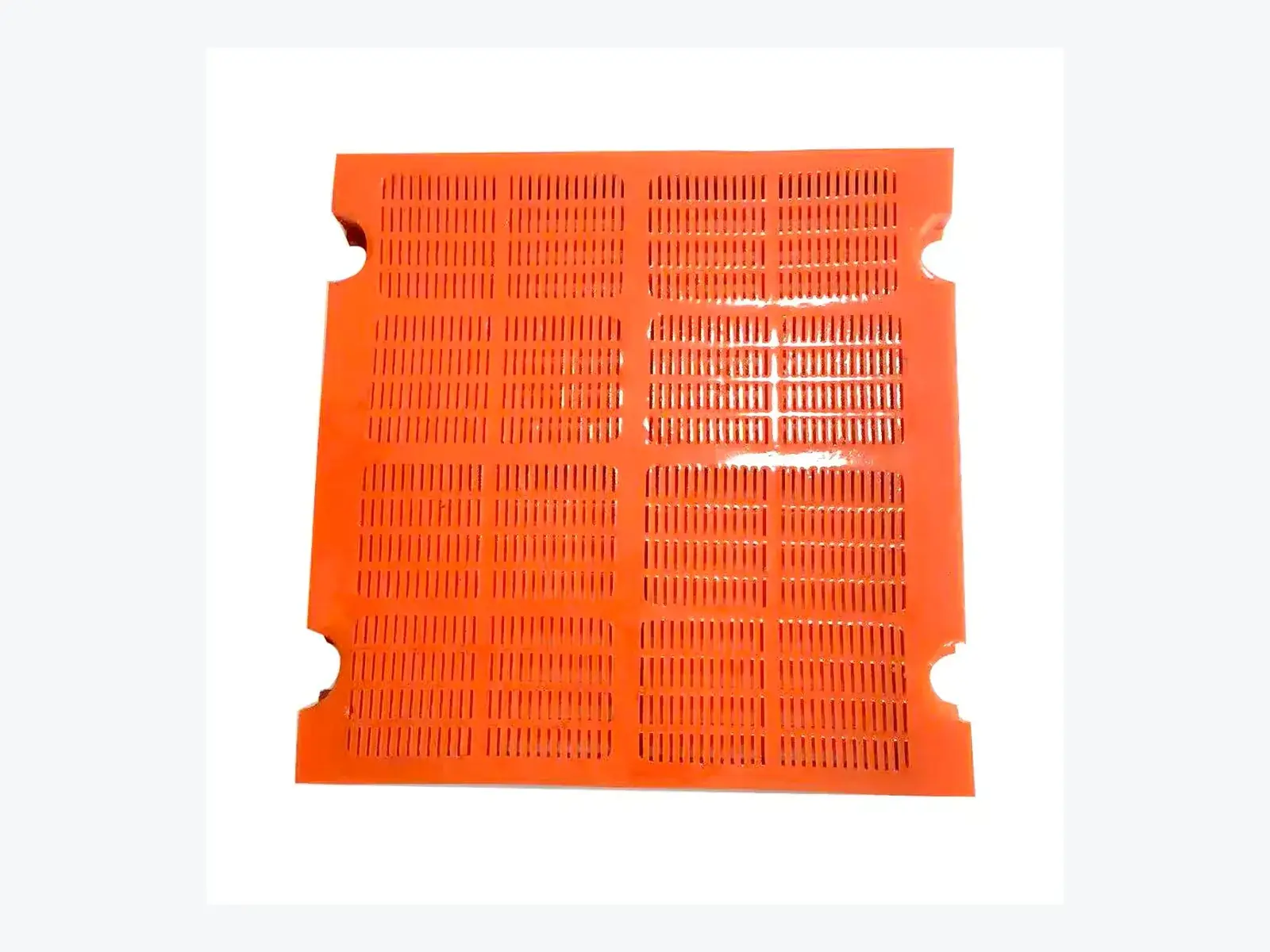
For a module-based deck or local replacement, review the visible interface and support context before any fit is confirmed.
Review modular panel interface and deck context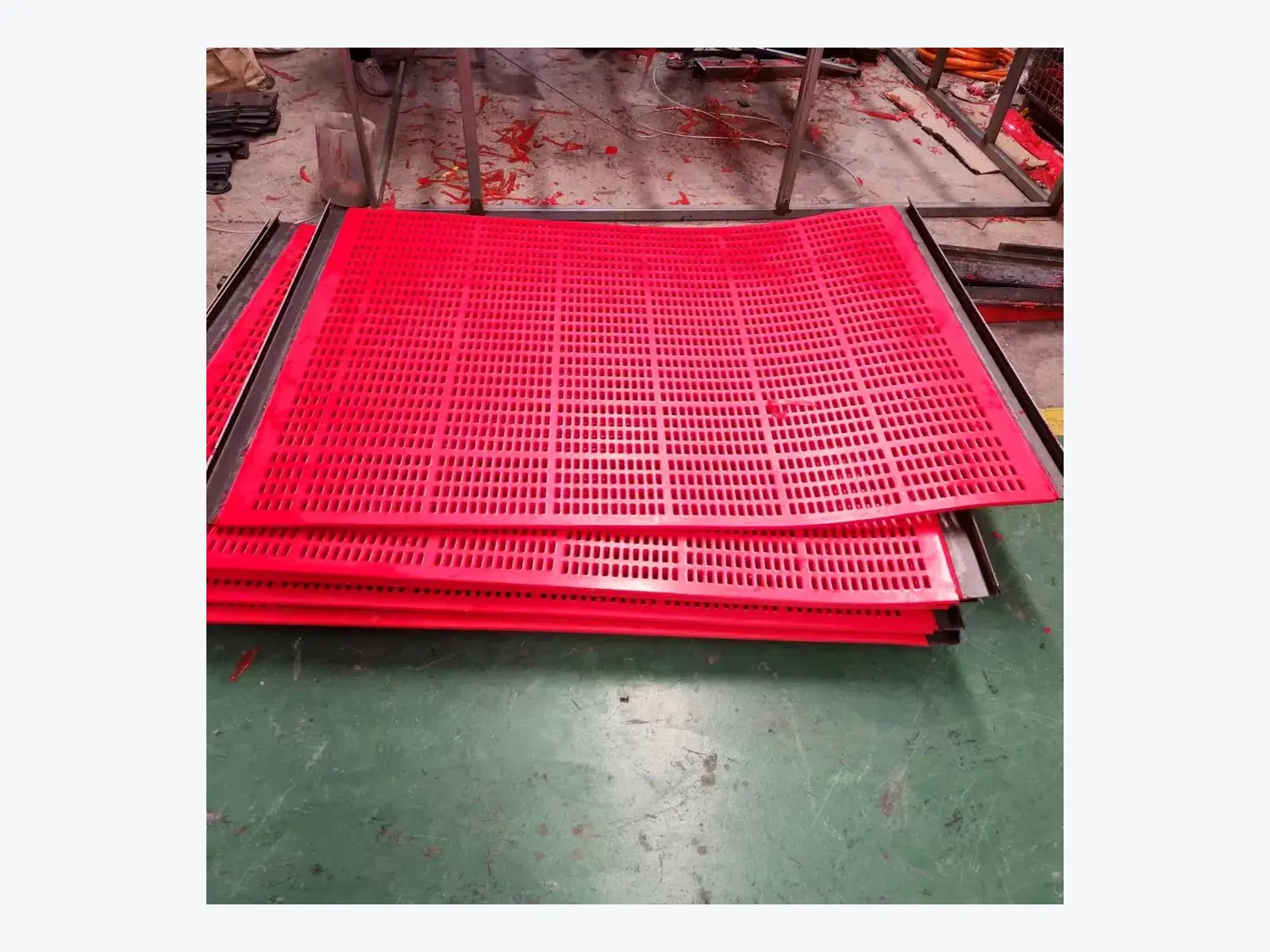
For a side- or end-tension deck, review the visible tension direction, hook-edge evidence and full-screen replacement reference.
Review tensioned screen and hook-edge evidence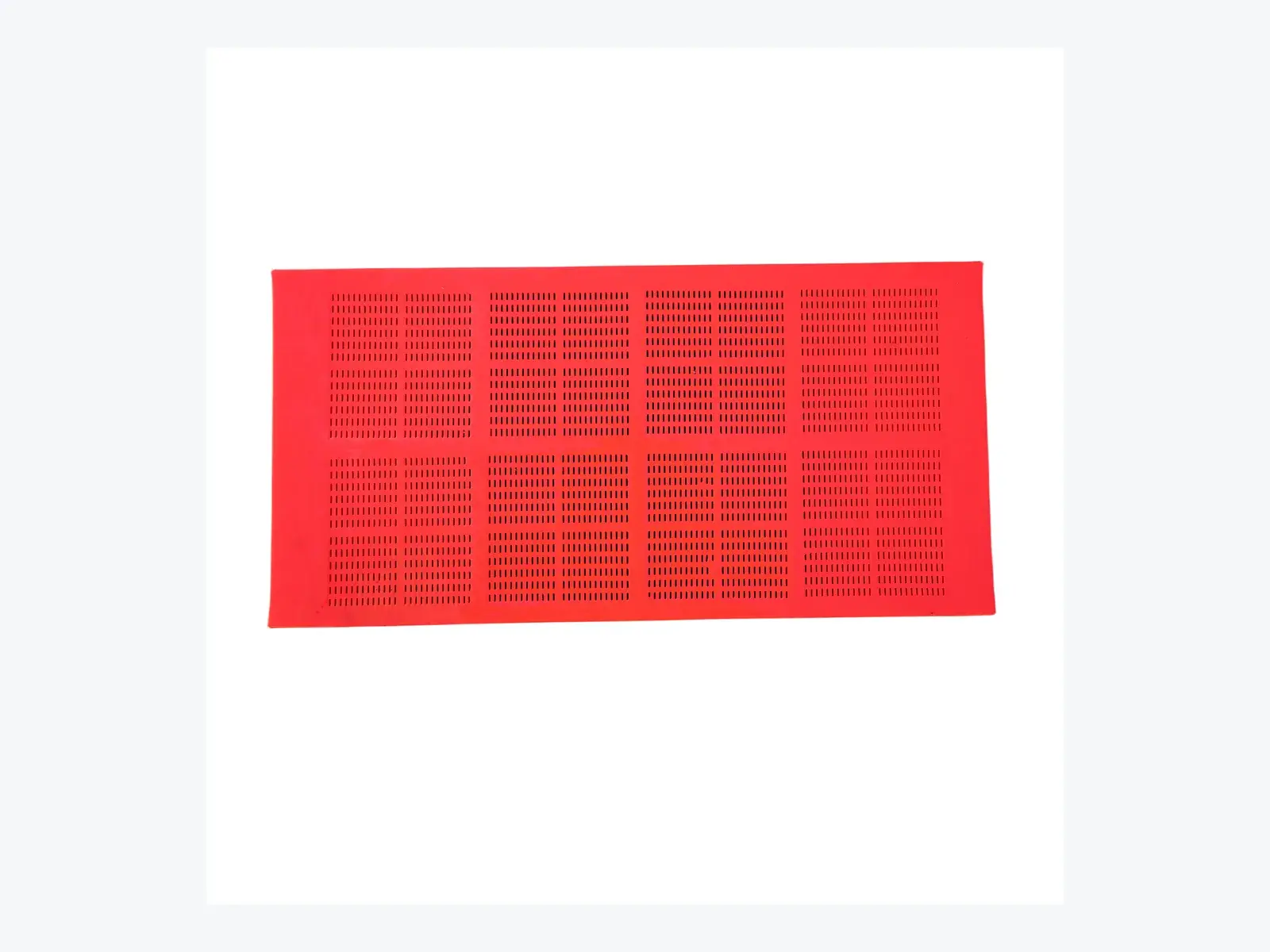
For drainage-oriented wet screening or a dewatering deck, review the current panel, deck evidence and fixing arrangement.
Review dewatering panel requirements for wet screeningRepresentative product views for selection and replacement discussion.
Deck position
Record the duty and result required at each position; position alone does not determine configuration.
Impact condition, feed distribution and the current wear pattern
Target separation, material movement and pegging or blinding observations
Remaining oversize, product carryover and the local wear pattern
Finer separation requirement, moisture and buildup condition
Observed condition
Record each problem and its location; no format resolves every issue.
Installed reference
Photographs and measurable details help distinguish process questions from replacement-fit questions.
When separate support, rail-protection or capping components are visible, review installation accessory requirements against the installed arrangement.
Operating condition
Operating conditions guide review, not an absolute recommendation.
When the installed deck uses a flexible screening surface, review Flip-Flow panel requirements against the current panel and deck evidence.
Review limits
These details require complete technical and commercial review.
Review process
This sequence describes the quotation and replacement review, not a manufacturing process.
RFQ preparation
Use the available evidence to request an aggregate screen media technical review. Clarification, drawings, samples or additional measurements may be requested before a quotation basis is prepared.