
POLYURETHANE SCREEN MEDIA
Polyurethane Dewatering Screen Panels
Polyurethane dewatering screen panels for wet screening and replacement are reviewed by slot geometry, panel dimensions, deck details, drawings or samples.
A useful replacement reference combines the face, underside and fixing details with the installed deck. The panel name alone does not confirm the configuration.
In the United States, the same family may be described as urethane dewatering screen panels. The installed panel and deck evidence remain the basis for review.
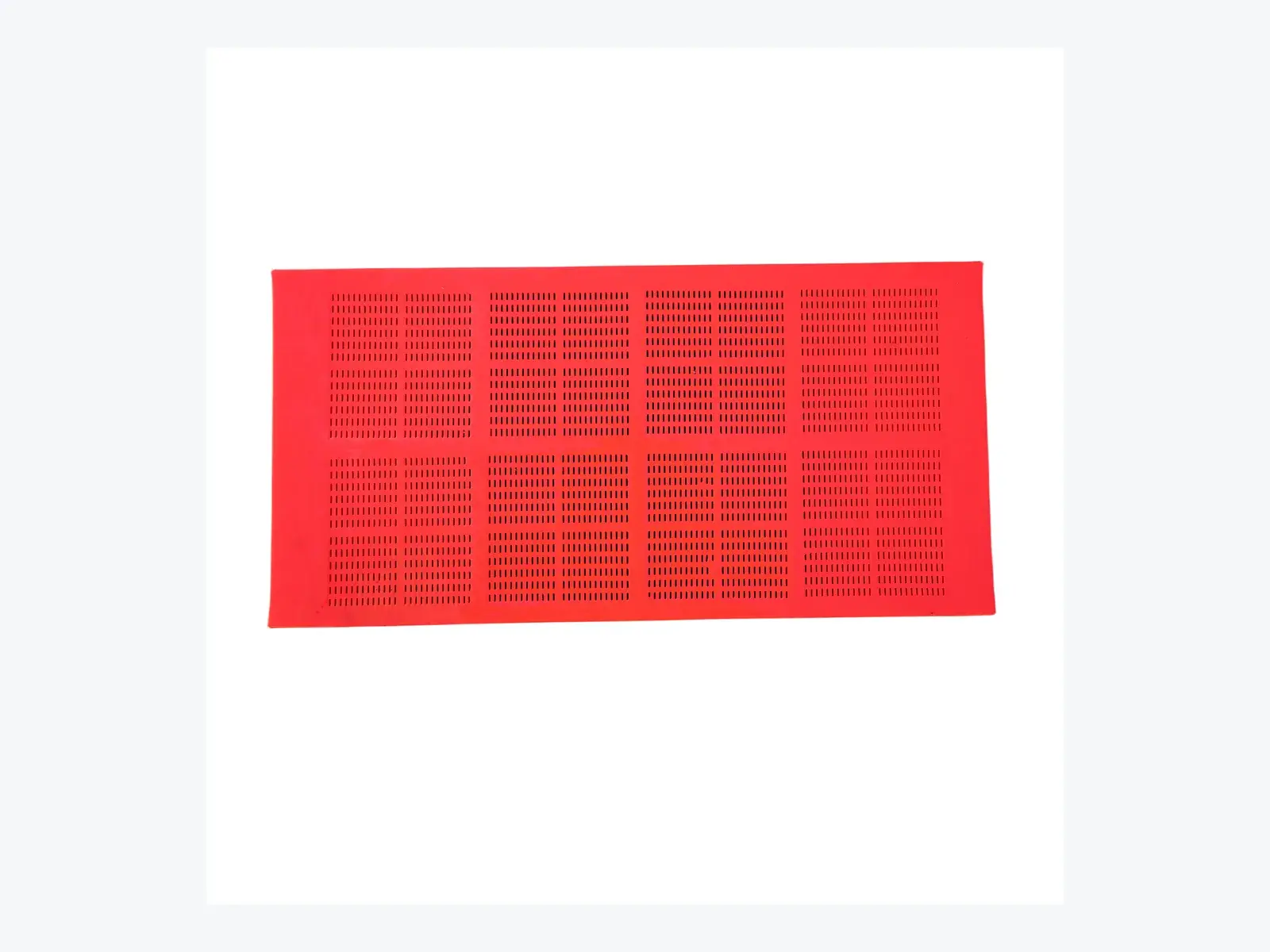
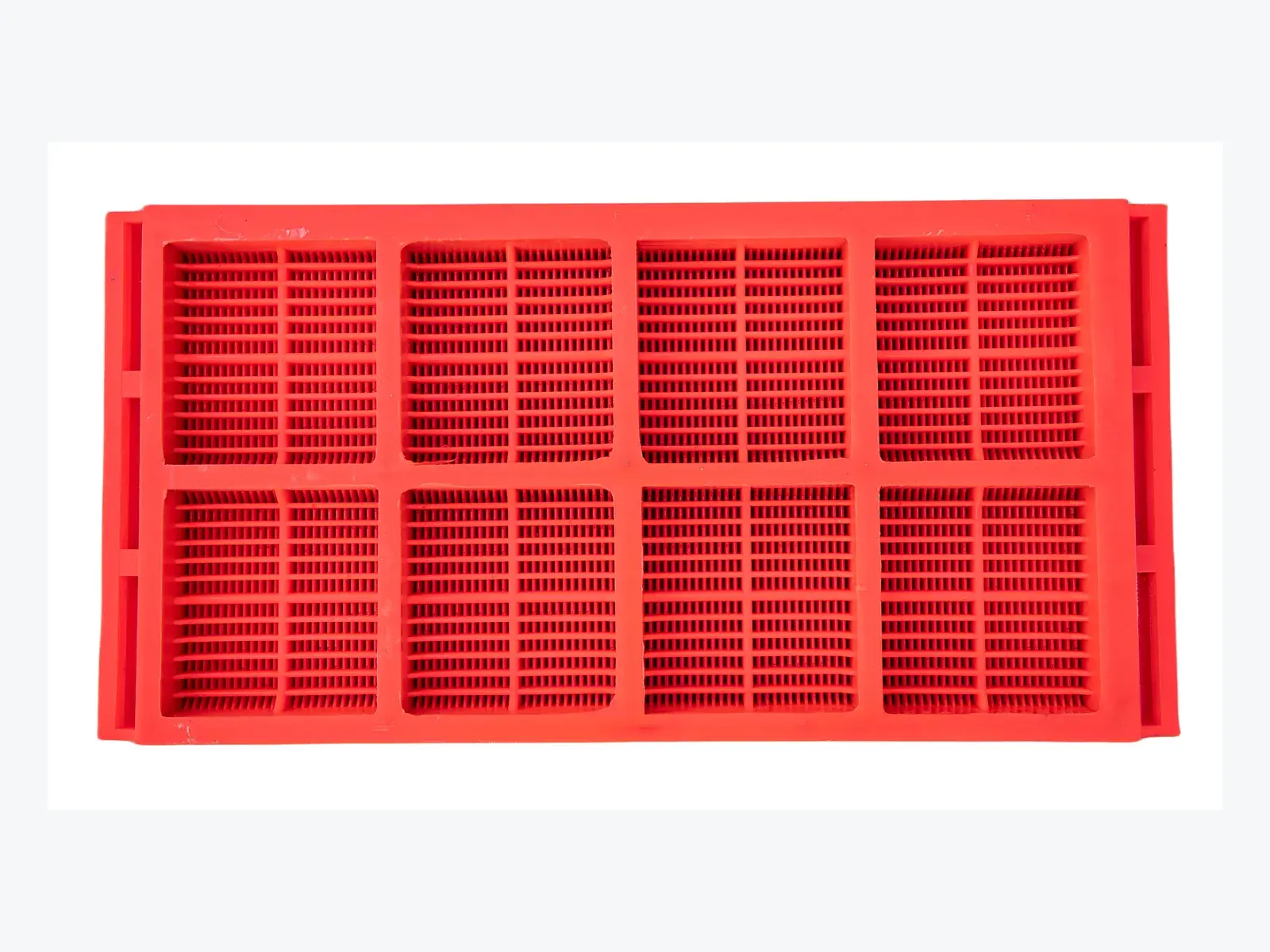
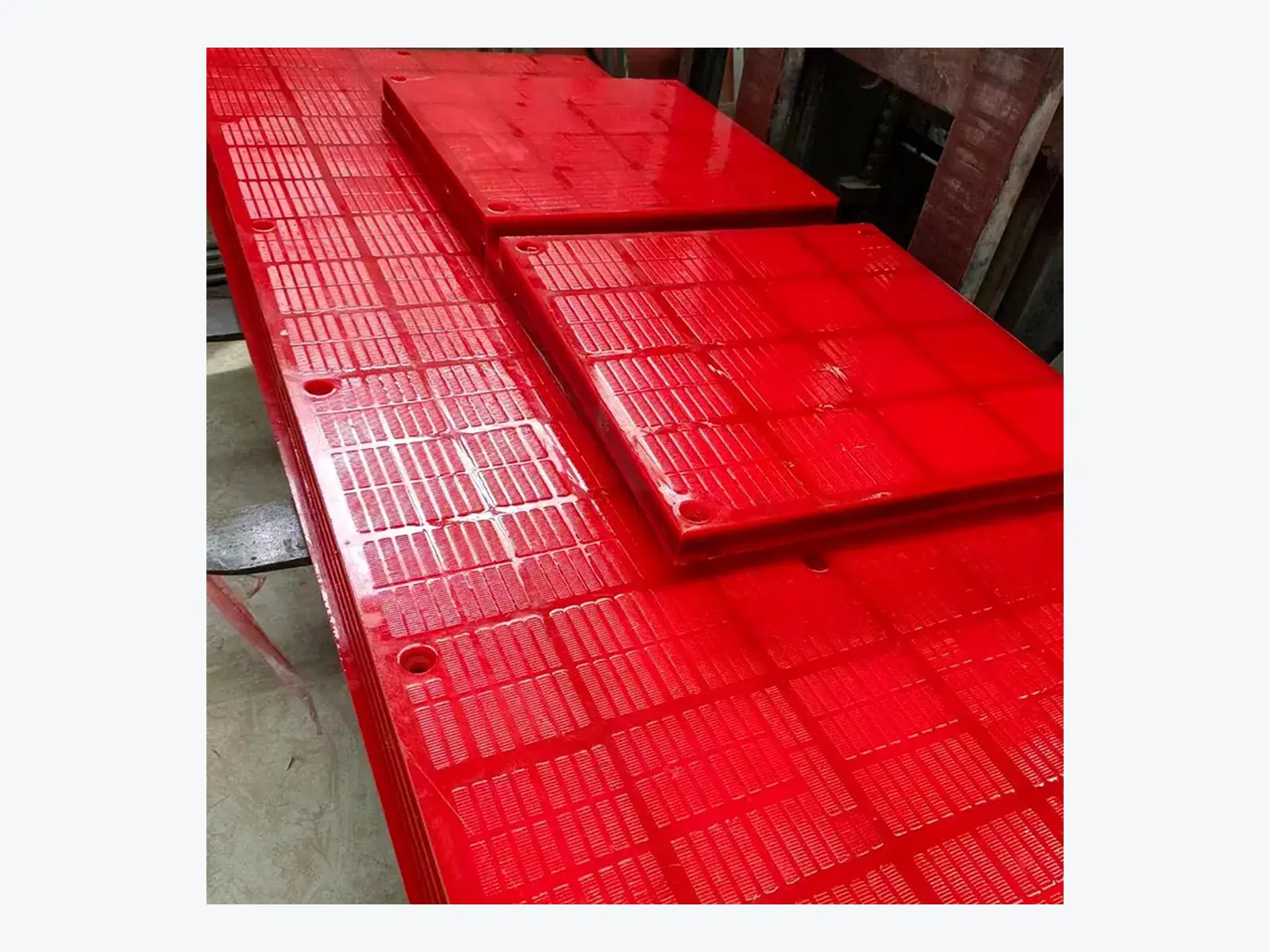
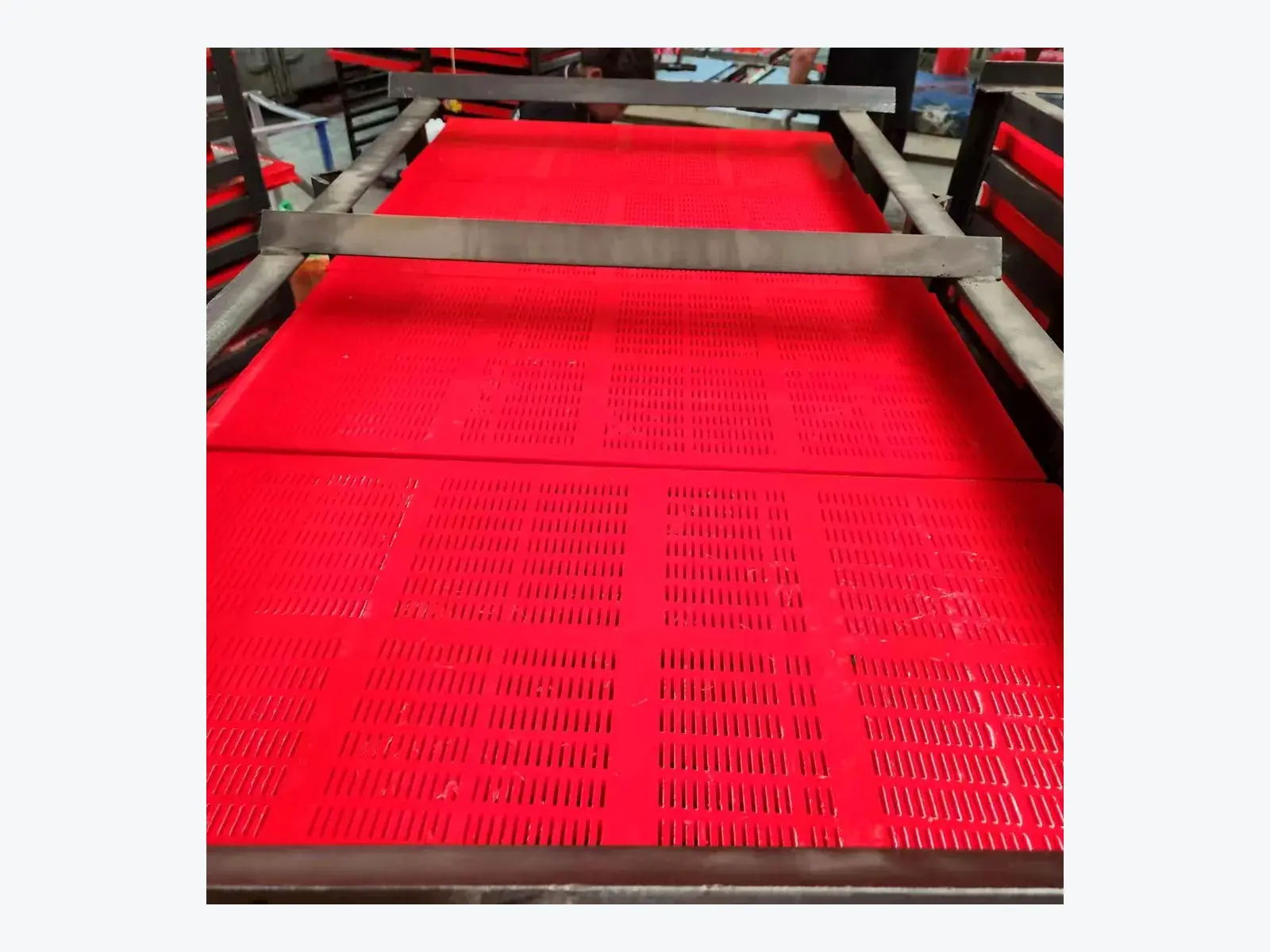
Current approved product views remain the page Hero reference.
Quick product attributes
Start with evidence from the current panel
The request should describe the installed panel and duty before any replacement is confirmed.
- Product form
- Slotted polyurethane replacement panel
- Duty context
- Wet screening and water-removal review
- Face evidence
- Slot form, direction and visible margins
- Underside evidence
- Rear-side geometry and locating details
- Deck evidence
- Installed position, supports and adjacent panels
- Replacement basis
- Current panel, drawing, photos or old sample
- RFQ inputs
- Process duty, quantity and destination
- Confirmation boundary
- Final fit follows technical review
Configuration and deck match
Read the panel face and support side together
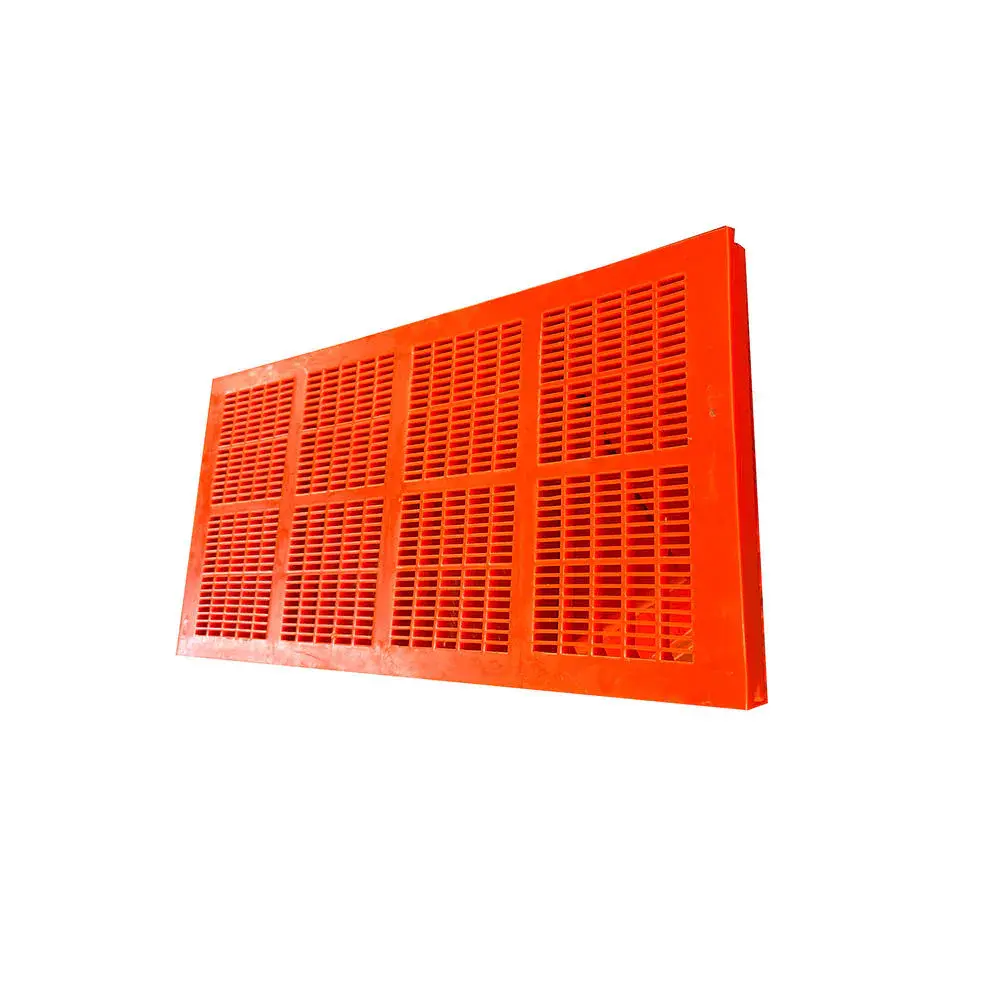
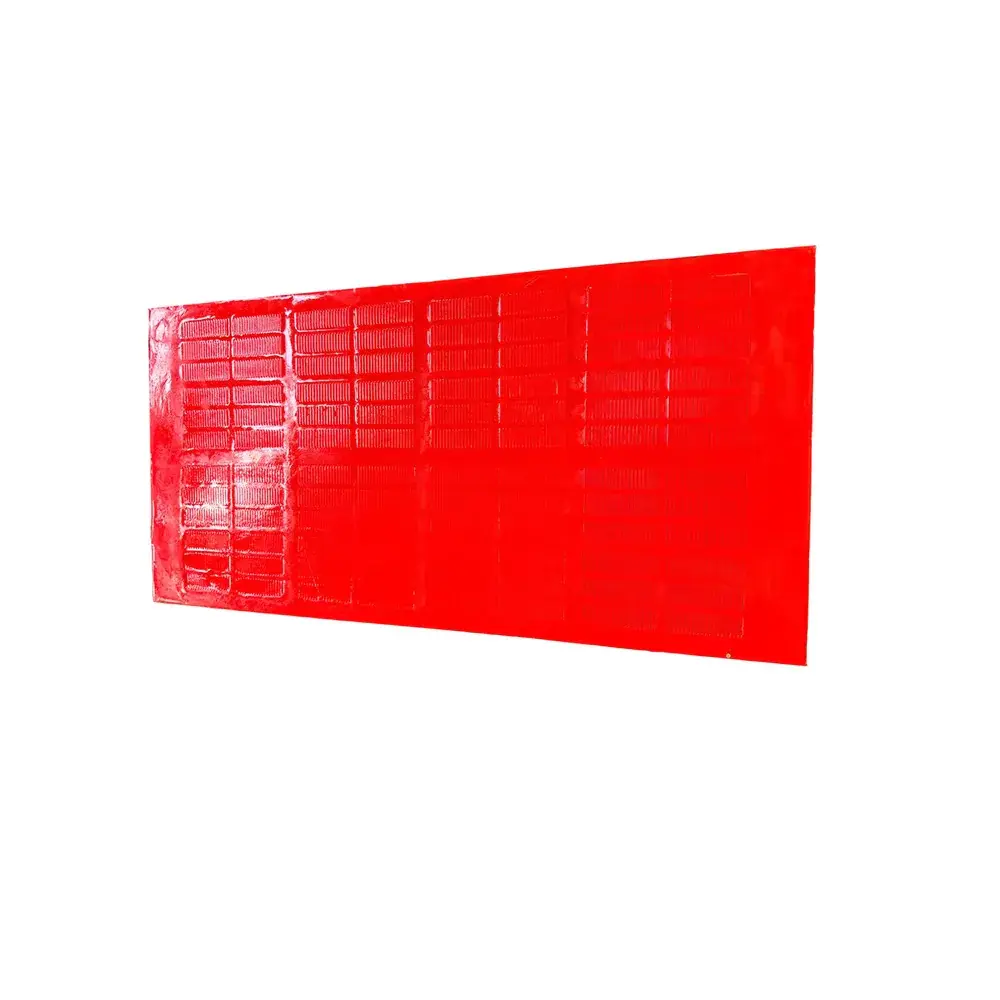
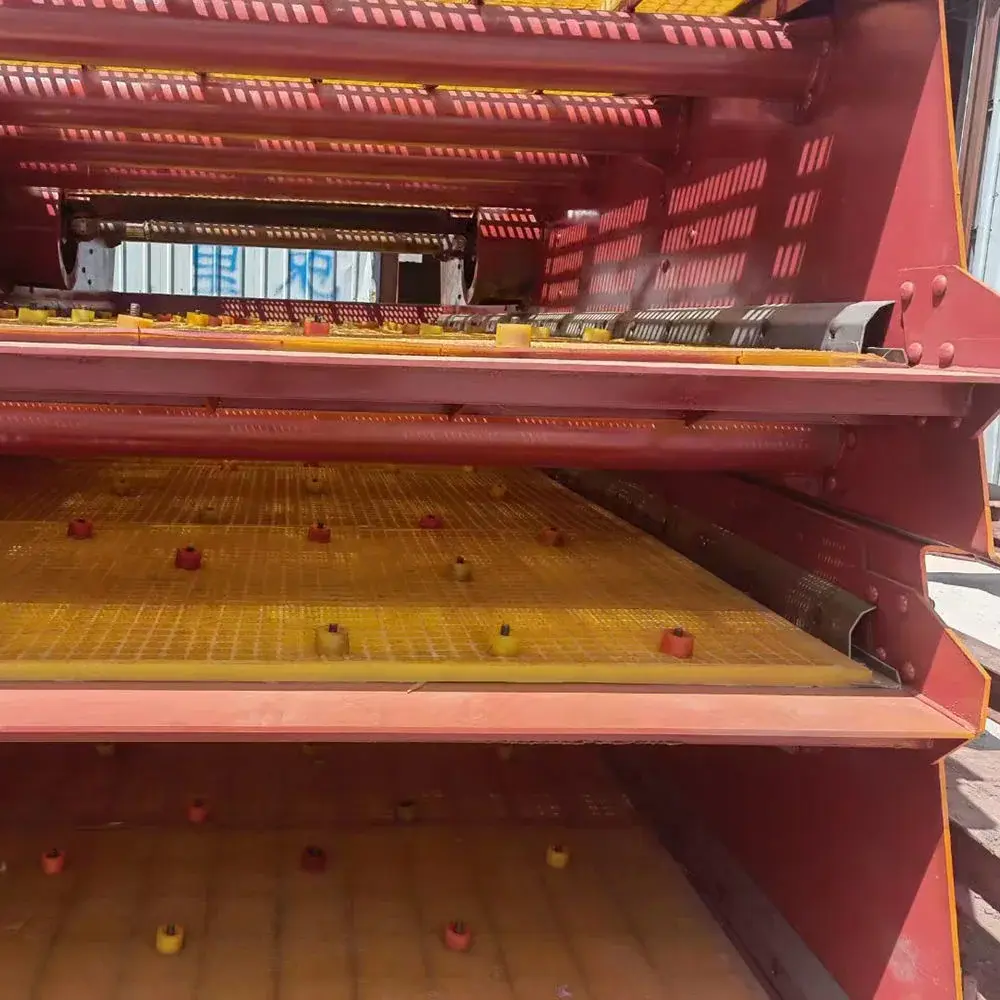
The face provides the visible slot pattern. The underside shows photographed support geometry and locating or fixing features. An installed deck view then establishes where the panel sits, which supports it meets and which adjacent panels define its replacement context.
Wave-profile panels may be reviewed as a dewatering configuration when shown by the current reference. A configuration image does not establish a performance outcome or a universal replacement interface.
What to capture before a panel is removed
Take one wider deck photograph, then closer face, underside and fixing views. Include a ruler or another clear scale reference beside the panel when it is safe to do so. Keep all measurements in one stated unit system so a drawing, photo set and old sample can be compared without conversion assumptions.
If the current deck cannot be photographed in full, record the panel position, nearby supports, adjoining panels and any visible frame edge. That context helps separate a one-position replacement review from a request that may involve several related panels.
Slot and wet-screening context
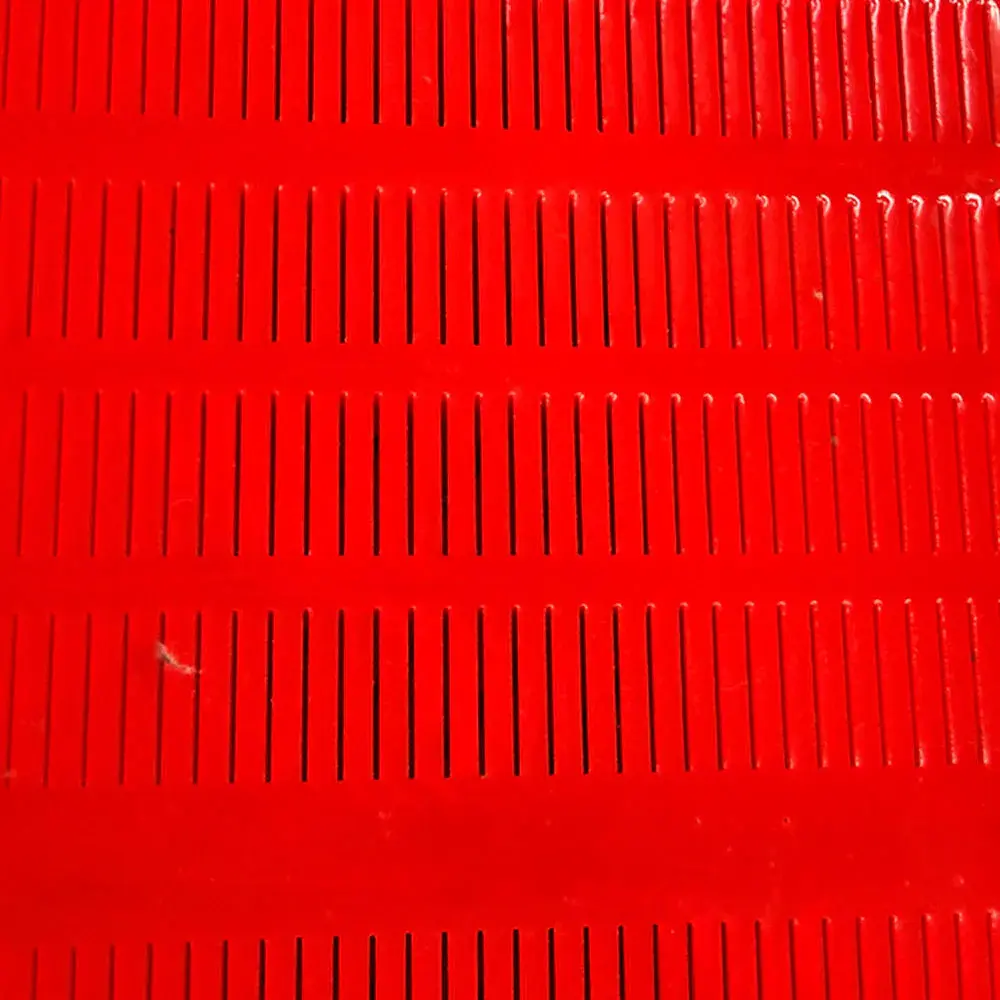
Record slot form and direction, the material condition and the target separation. The public page can describe a wet-screening and water-removal review, while final opening geometry remains subject to drawing, sample and process evidence.
Use installed evidence before removal
Photograph the deck before the panel is removed. This preserves the support layout, fixing location and local deck context that a loose product photograph cannot show.
Representative evidence
Panel, slot and deck views for review
Each image shows a photographed configuration or representative installation context. It does not establish a standard specification.
Replacement checklist
Send one complete dewatering-panel reference
This single checklist avoids splitting the panel, deck and process evidence across several requests.
- Front face, underside and fixing-detail photographs before removal
- Overall length, width and thickness recorded with one unit system
- Visible slot form, direction, margins and any blank areas
- Deck position, support layout and adjacent-panel context
- Wet duty, processed material, target separation, quantity and destination
- Any drawing, prior order reference or old sample available for review
Review boundary and related guidance
Drawings, photos and old samples support the replacement review. They do not confirm hidden construction, formulation, service life, screening result or commercial terms without the final technical and quotation process.
A drawing is usually the clearest record of outline and measured details. A photo preserves installed context, while an old sample can show face, support and edge features. Send the strongest available combination rather than treating any single item as complete evidence.
Before sending an RFQ, group the panel evidence by deck position and state whether the request is for one panel or a set. That simple note prevents a support-side photo, a face image and a drawing from being read as separate configurations. The final quotation can then address the same identified panel, quantity and destination.
Where a deck has repeated positions, identify the photographed panel location and any neighbouring variation. This keeps a replacement review tied to the relevant support and fixing context.
Questions
Dewatering panel replacement review
How do I identify a dewatering panel without a part number?
Document the installed face, underside, fixing details and deck position. The visible slot form and overall outline become useful only when they are read with the support and deck reference.
Which slot details should be recorded?
Record the visible slot form, direction and margins, then provide the current process duty. Exact opening details are confirmed from the panel, drawing or sample rather than assumed from a photographed configuration.
Why are underside and deck photographs needed?
The screening face does not show how the panel rests, locates or fixes on the deck. Support-side and installed views help identify the replacement reference.
Can a drawing or old sample be reviewed?
Yes. A drawing, clear sample or photo set can clarify details that are not visible in the installed position. They support review; they do not replace confirmation of the current duty and deck.
What cannot be confirmed from a product image?
A product image does not confirm final fit, material formulation, operating result, service life or commercial terms. Those details are confirmed through the technical and quotation review.