
POLYURETHANE SCREEN MEDIA
Tensioned Polyurethane Screen Panels
Tensioned polyurethane screen panels are replacement screen media reviewed after the overall dimensions, aperture, hook edges, tension direction and deck frame are documented together.
The current screen and frame establish the reference. A similar-looking panel or a single hook image does not confirm a replacement configuration.
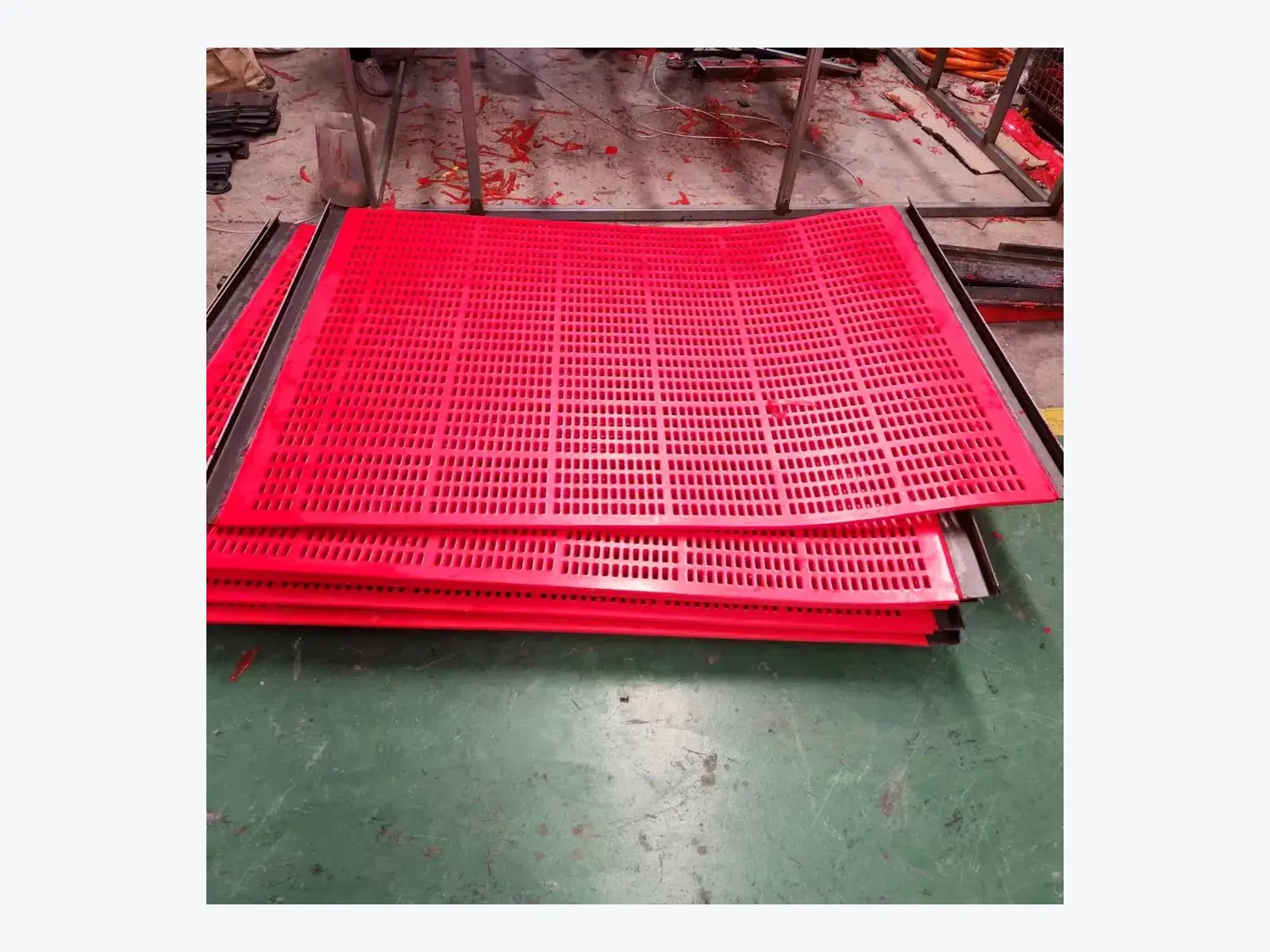
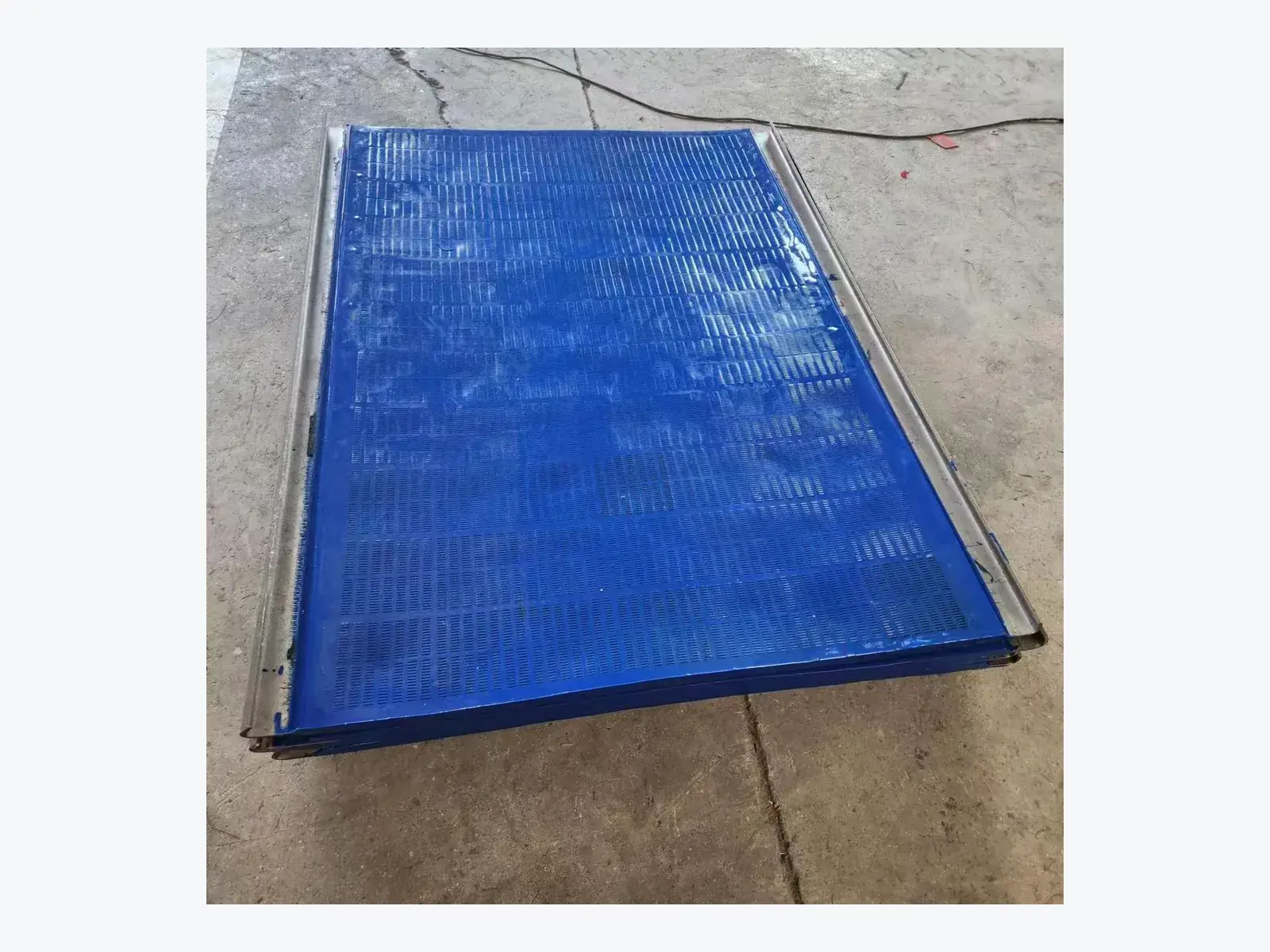
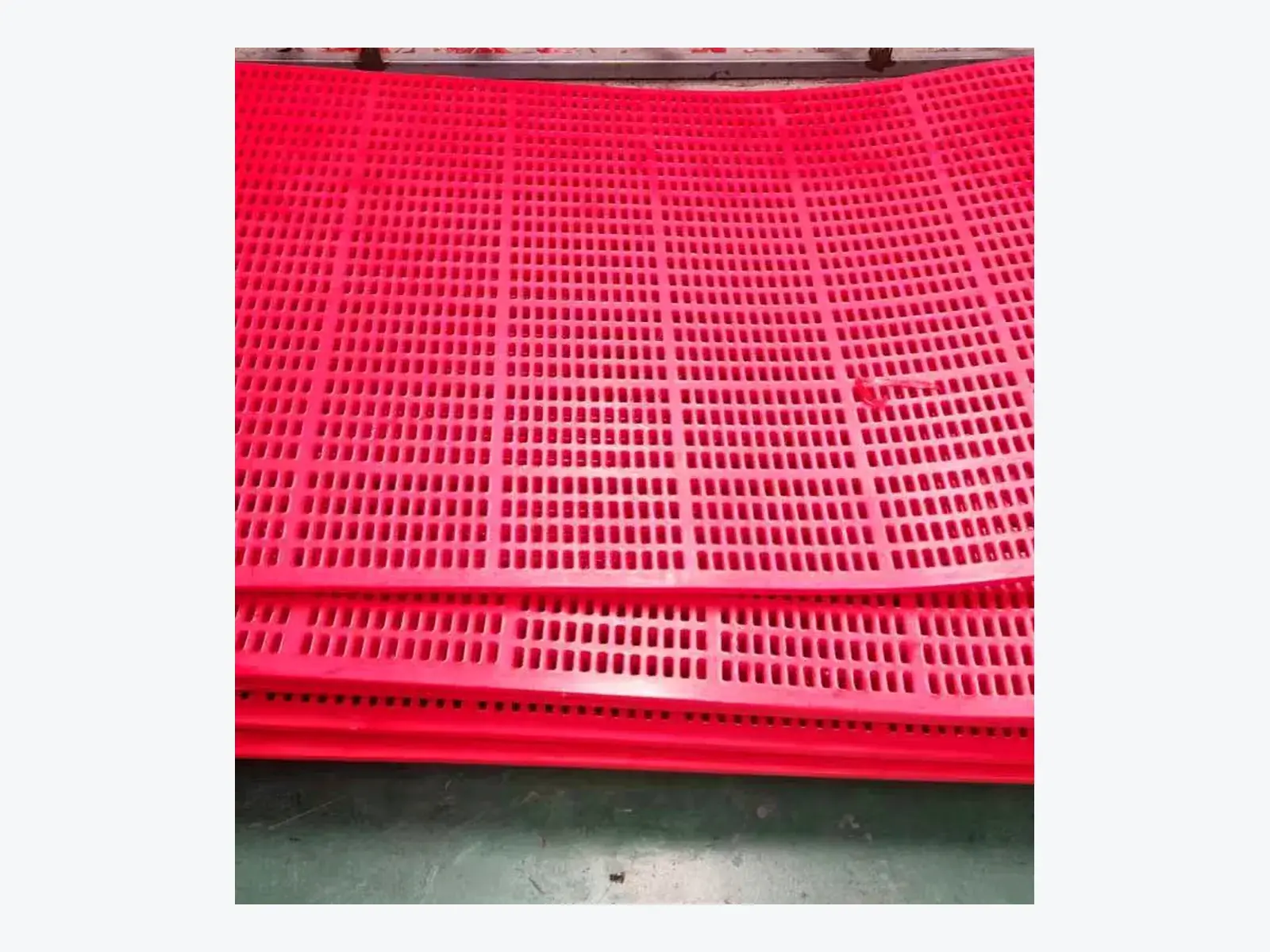
Current approved product views remain the page Hero reference.
Quick product attributes
Confirm the complete tensioned-screen reference
The panel body, both hook edges and the installed deck frame need to be read as one replacement system.
- Product form
- Hook-edge replacement screen media
- Primary reference
- Complete panel and installed deck evidence
- Hook-to-hook review
- Both edge profiles and the overall outline
- Tension direction
- Side- or end-tension evidence from the deck
- Aperture evidence
- Form and direction from the current panel
- Panel evidence
- Outline, thickness and visible support details
- Deck evidence
- Frame contact, supports and installed orientation
- Confirmation boundary
- Final fit follows technical review
Hook-to-hook review
Match the edge profile before the aperture
Photograph both hook edges, their contact areas and the adjacent deck frame. Record the full screen outline and thickness from the current panel. The hook-to-hook relationship is a retention reference, not a generic product label.
Where the existing evidence supports it, record whether tension is applied from the side or end. The tension direction should be shown with the relevant frame and support views rather than inferred from the panel face.
Record the edge and frame in the same view
A close hook image is useful, but pair it with a wider view that shows the edge in relation to the frame. Photograph the contact area, visible support, adjacent screen and the direction in which the screen is retained. This makes the hook profile, outline and deck position part of one review reference.
If the screen has been removed, place it flat enough to record both hook edges, the full outline and thickness. Label the face and installed orientation in the accompanying note so the panel can be related back to the correct deck position.
Panel, aperture and deck-frame context
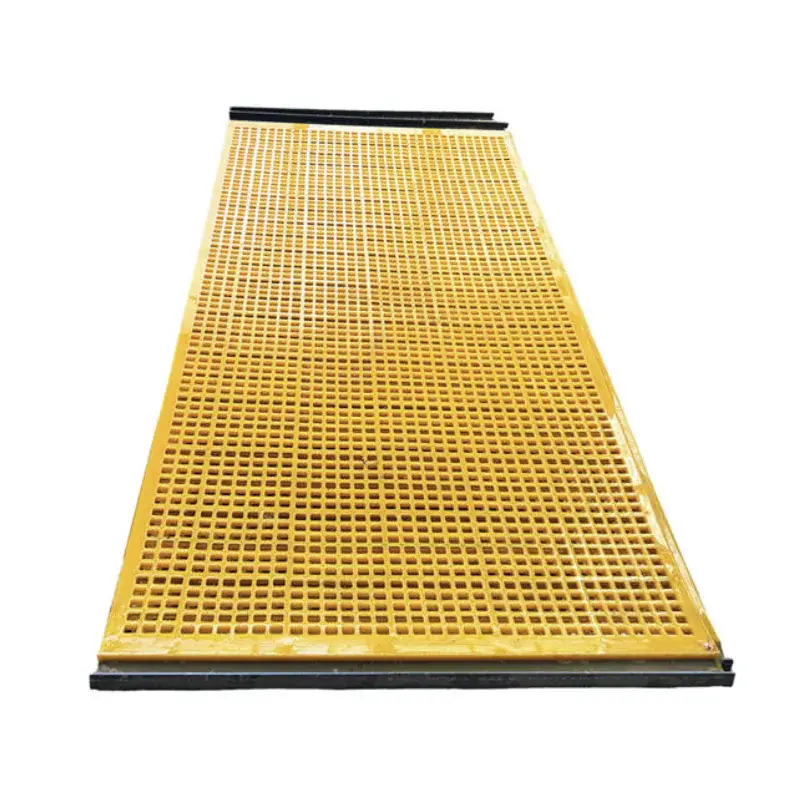
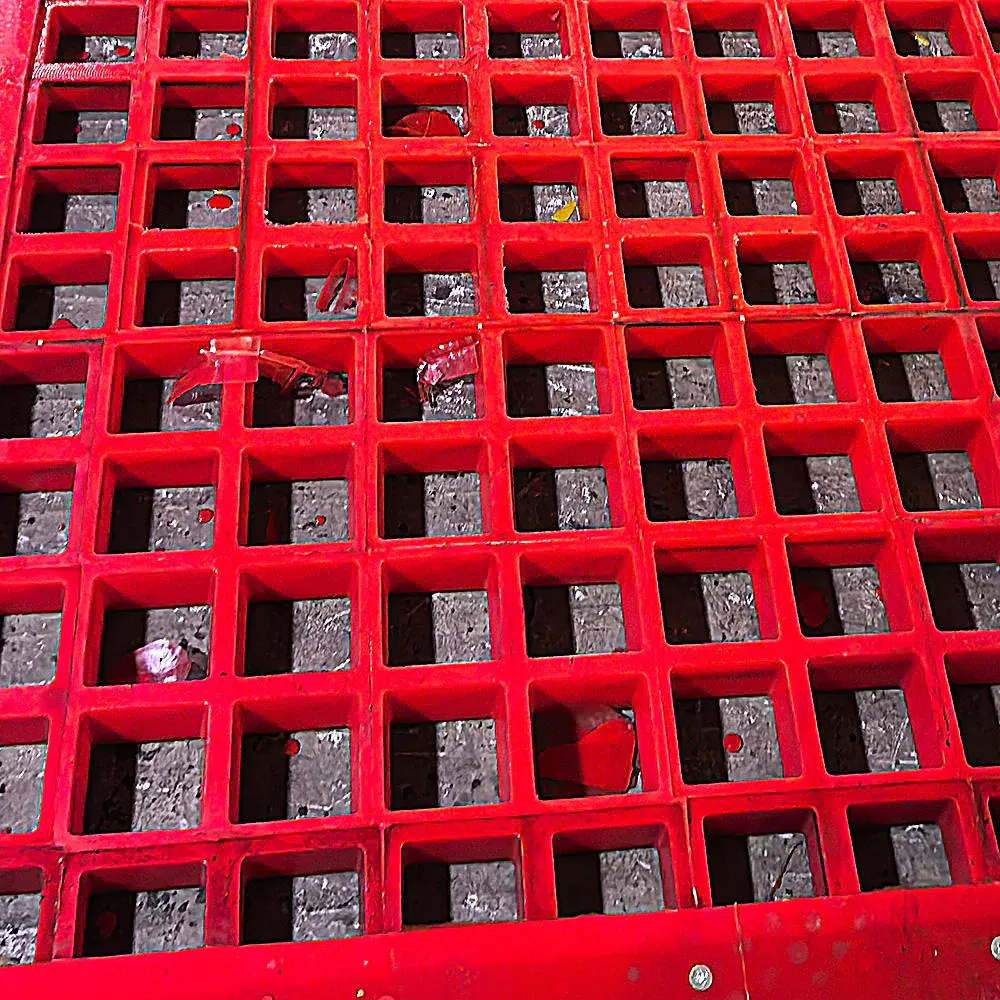
The aperture form and direction belong with the panel outline, hook edges and frame contact. An aperture image helps describe the current screen but does not establish a public range or final screening result.
Document only construction details that are visible in the photograph. Concealed construction requires a drawing, sample or additional technical confirmation.
Deck-frame photographs should include the area where the hook seats, the nearby support surfaces and any visible tensioning reference. When that contact is obscured, add a wider deck view separately. A complete set makes it possible to review the screen and the installed interface without assuming that a similar edge profile will fit another deck.
Representative evidence
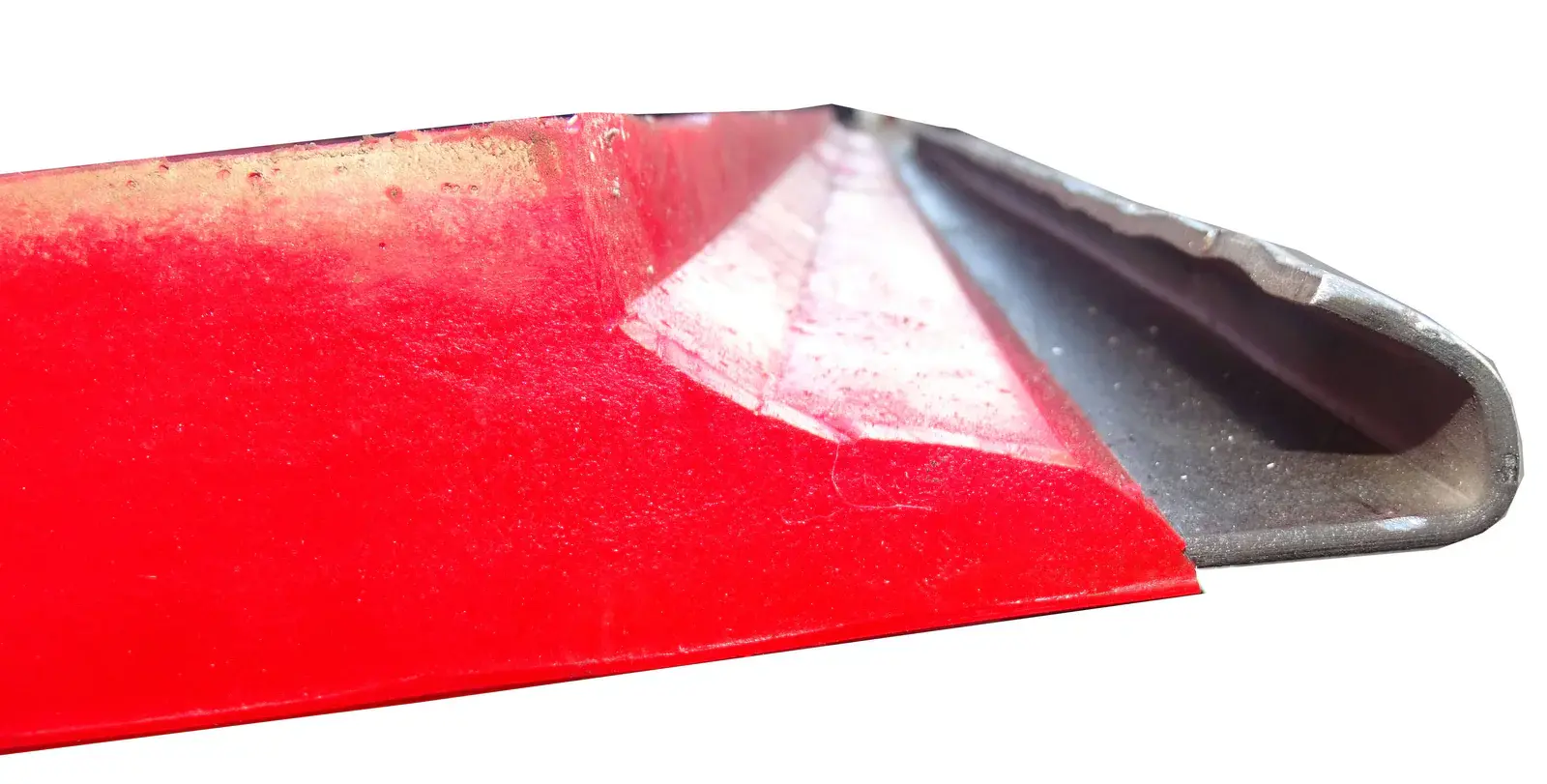
Hook edge, panel and aperture views
The hook-edge reference is shown prominently because it is central to reviewing the current tensioned arrangement.
Replacement checklist
Send one complete tensioned-screen reference
Keep the hook-to-hook, panel and frame evidence together in a single technical review.
- Full panel face, underside, both hook edges and a side profile
- Overall outline and thickness measured from the current screen
- Aperture form and direction from the installed panel or drawing
- Side- or end-tension direction, recorded as installed rather than assumed
- Deck frame, support contact, tensioning area and adjacent-screen photographs
- Material, wet or dry duty, target separation, quantity and destination
- Drawing, old sample and visible construction details for review
Operating context and confirmation boundary
Mining and aggregate screening, wet or dry duty, material condition and target separation provide the context for review. They do not establish a fixed design, performance result or a universal deck interface.
State the installed deck position and whether the requested screen is one replacement or part of a larger set. Quantity and destination complete the RFQ context; the hook-to-hook, panel and frame evidence remains the basis for identifying the configuration.
Keep photographs of both edges with the same panel reference. This avoids matching a hook detail from one position to an outline or deck frame from another.
If separate rail protection or capping is present, document it before you review installation accessory requirements.
Questions
Tensioned screen replacement review
How do I identify a tensioned screen without a part number?
Start with the complete outline, both hook edges, panel thickness and the installed deck frame. Face and aperture photographs are useful only when they are paired with the tension direction and support evidence.
Why is hook-to-hook review important?
The hook profile and contact area are part of the installed retention arrangement. A single edge photo or a front view cannot confirm the complete hook-to-hook reference.
Should side- or end-tension direction be recorded?
Yes. Record the installed tension direction and show the relevant deck and frame areas. The description identifies the current arrangement; it does not indicate a preferred method or confirm fit.
Can hidden construction be confirmed from a photo?
Only construction details visible in photographs can be documented. Concealed construction needs a drawing, sample or further technical confirmation before quotation.
What cannot be confirmed from a product image?
A product image cannot establish final fit, aperture dimensions, construction details, operating result, service life or commercial terms. These remain subject to the technical and quotation review.